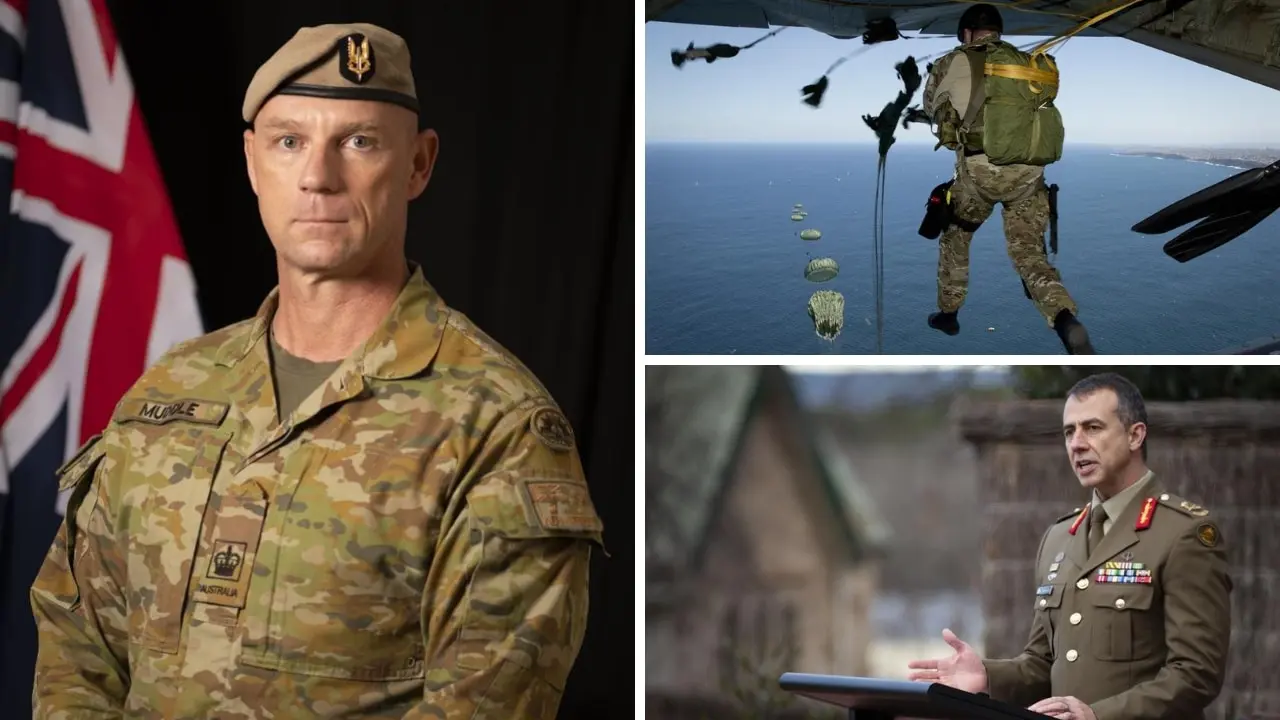
The death of young Australian soldier Lachlan Muddle during a military parachute training exercise has sparked grief, anger, and fierce national debate. What began as a tragic accident quickly transformed into a political controversy after respected war hero Keith Payne VC AM publicly condemned the government’s response.
Australians across the country were left stunned after details surrounding the fatal training incident emerged. Many citizens expected immediate accountability and transparency from the Department of Defence, especially considering the dangerous conditions soldiers routinely face while preparing to protect the nation.
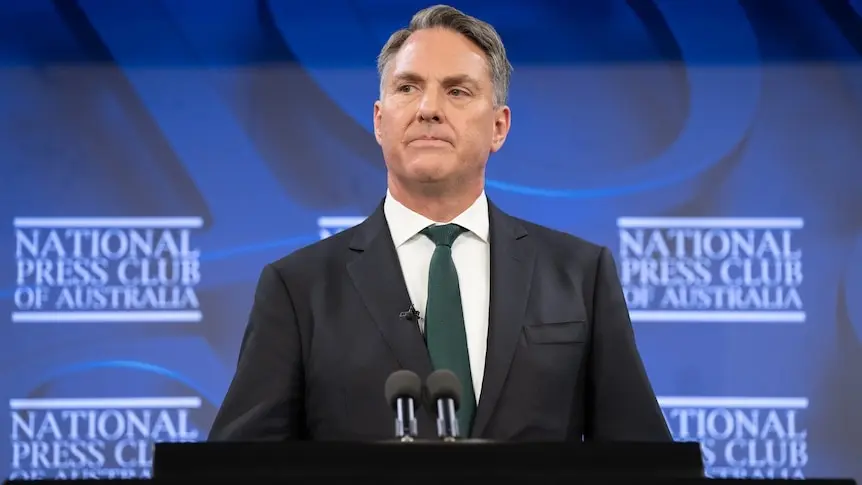
Instead, critics argued that the official response appeared distant and overly formal. Defence Minister Richard Marles publicly extended condolences to Lachlan Muddle’s family, but many believed those words alone were not enough to address the devastating loss suffered by his loved ones.
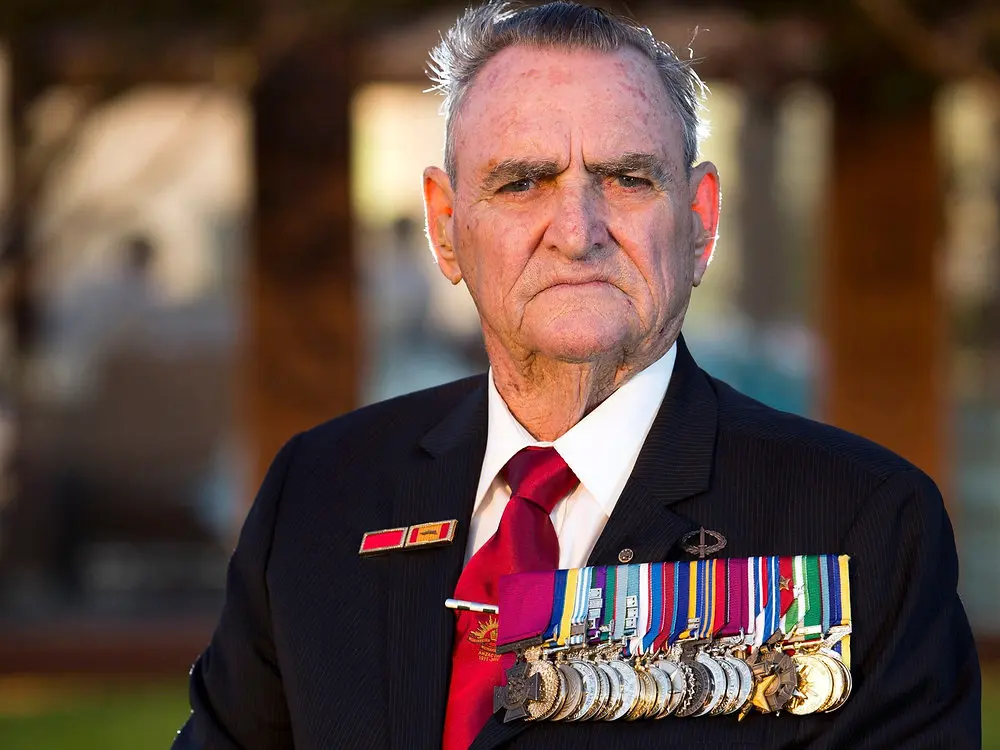
Keith Payne, one of Australia’s most respected military figures, became the loudest voice challenging the government’s handling of the tragedy. Known for his lifelong dedication to veterans and serving personnel, Payne’s emotional comments immediately captured national attention and intensified public frustration.
During a televised appearance, Payne expressed deep disappointment with the Department of Defence, accusing leaders of failing to properly support the families of soldiers who risk their lives in service to Australia. His remarks resonated strongly with military families and veterans nationwide.
Payne argued that soldiers dedicate their entire lives to protecting the country, often accepting enormous physical and emotional risks without hesitation. However, he claimed many are forgotten once tragedy strikes, leaving grieving relatives searching for answers and meaningful support from authorities.
The decorated veteran’s criticism quickly spread across social media platforms, where thousands of Australians voiced agreement with his concerns. Many users questioned whether enough precautions were taken during the parachute exercise and demanded a full investigation into the circumstances surrounding Lachlan’s death.
Others focused their anger directly toward government leadership, arguing that official condolences mean little without concrete actions. Some citizens called for stronger safety protocols within military training programs, while others demanded long-term assistance packages for families affected by service-related deaths.
Military experts also entered the debate, explaining that parachute training exercises remain among the most dangerous activities conducted by defence personnel. Even highly experienced soldiers face unpredictable conditions, mechanical risks, and split-second decisions that can instantly become fatal.
Despite understanding the inherent dangers involved, many Australians still insisted accountability must exist whenever a soldier dies during training operations. They argued that service members should never feel abandoned by the institutions they dedicate their lives to serving faithfully and courageously.
Friends of Lachlan Muddle described him as passionate, disciplined, and deeply committed to his military career. According to those who knew him personally, he dreamed of building a long future within the Australian Defence Force and proudly representing his country abroad.
His sudden death devastated not only his family but also fellow soldiers who trained alongside him. Several military personnel reportedly struggled emotionally after the accident, with many describing the incident as a heartbreaking reminder of the risks hidden behind everyday military preparation.
As public pressure intensified, calls for transparency continued growing louder. Citizens demanded detailed explanations regarding the training procedures, equipment inspections, weather conditions, and emergency response measures connected to the fatal parachuting incident that claimed Lachlan’s life.
Political commentators noted that Keith Payne’s involvement dramatically changed the national conversation. Had criticism come from ordinary citizens alone, the controversy may have faded quickly. However, Payne’s reputation as a decorated war hero gave enormous weight to his statements.
For decades, Australians have viewed Payne as a symbol of sacrifice, loyalty, and courage. His willingness to publicly challenge senior officials therefore shocked many observers and placed additional pressure on government leaders already facing increasing scrutiny from the public.
Some government supporters defended Richard Marles, arguing that investigations into military deaths require time and careful examination before conclusions can be reached. They warned against turning a national tragedy into a politically motivated attack against defence leadership during an emotionally sensitive period.
Nevertheless, critics responded that compassion and accountability are not mutually exclusive. They argued the government could simultaneously express sympathy while also committing publicly to transparency, responsibility, and stronger protections for soldiers participating in dangerous training exercises.
Veterans’ organizations also joined discussions surrounding the incident, with several groups emphasizing the importance of mental health support for grieving military families and service members affected by traumatic events. Many insisted that emotional care must remain a national priority following such tragedies.
The controversy surrounding Lachlan Muddle’s death has ultimately evolved into something larger than a single accident. For many Australians, the debate now reflects broader concerns about how the nation treats those who dedicate their lives to military service and national defence.
Keith Payne’s emotional condemnation has ensured that public attention remains fixed firmly on the Department of Defence and its leadership. Whether the government chooses further action or maintains its current approach, many Australians believe this tragedy has already exposed painful questions requiring urgent answers.