Public discussion in Australia continues to reflect a wide range of views about political leadership, social policy, and national identity. Among the most debated figures is Pauline Hanson, leader of One Nation, whose career has sparked both strong support and sustained criticism across different segments of society.
Hanson’s background is often cited in discussions about her political identity. Before entering politics, she worked in small business and managed family responsibilities, experiences that she has frequently referenced when describing her connection to everyday Australians and their economic challenges.
Her entry into politics brought immediate attention, as her communication style differed from many traditional politicians. Supporters viewed her as direct and relatable, while critics argued that her approach lacked nuance in addressing complex policy issues.
Over time, Hanson became associated with debates about migration, cultural integration, and national policy. These topics have remained central to her political messaging and continue to shape public discussion in Australia.
Some commentators have described her as representing voters who feel overlooked by established parties. Others have expressed concern about the implications of her rhetoric and policy proposals, emphasizing the need for inclusive and evidence based approaches.
The phrase “Please explain,” often linked to Hanson’s early political career, has become a recognizable element of her public image. For supporters, it reflects a willingness to question established norms, while critics interpret it differently.
Migration policy remains one of the most debated issues in Australian politics. Governments across different administrations have introduced policies aimed at balancing economic needs, humanitarian responsibilities, and social cohesion.
Hanson has consistently advocated for stricter migration controls, arguing that such measures are necessary to manage population growth and maintain infrastructure capacity. Her position resonates with some voters, particularly during periods of economic uncertainty.
Opponents of this approach emphasize the contributions of migrants to Australia’s economy and society. They argue that diversity strengthens communities and supports long term growth.
The broader debate highlights the complexity of migration policy. Policymakers must consider factors such as labor market demands, housing availability, and international obligations.
Public discourse around these issues has intensified at times following significant national events. Such moments often prompt reflection on policy effectiveness and the responsibilities of government institutions.
Experts caution that drawing direct conclusions from individual events can oversimplify complex social dynamics. Comprehensive analysis requires consideration of multiple factors, including economic conditions and community engagement.
Hanson’s political influence has evolved over time. While her party has experienced fluctuations in electoral support, she remains a visible figure in national debates.
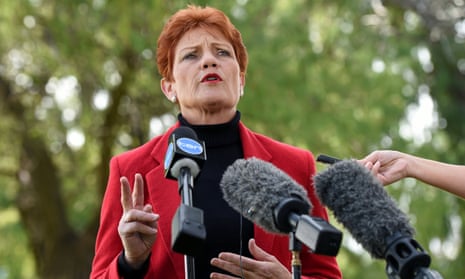
Analysts note that political figures who maintain a consistent message can continue to shape public discussion, even when they operate outside major party structures.
The role of media has been significant in shaping perceptions of Hanson and her policies. Coverage varies across outlets, reflecting differing editorial perspectives and audience expectations.
Public opinion on Hanson remains divided. Some voters appreciate her emphasis on issues they feel are not adequately addressed by larger parties, while others express concern about the tone and implications of her statements.
The Australian political system provides space for a range of viewpoints, allowing both major and minor parties to contribute to policy debates. This diversity is a key feature of democratic governance.
Economic conditions continue to influence political discussions. Issues such as cost of living, employment, and infrastructure development are closely linked to debates about population and policy direction.
Hanson has argued that addressing these challenges requires a focus on national priorities and resource management. Her proposals often emphasize immediate changes aimed at reducing pressure on public services.
Critics respond that long term solutions require comprehensive planning and collaboration across different sectors. They highlight the importance of evidence based policymaking and inclusive dialogue.
The debate surrounding Hanson’s views reflects broader questions about how societies balance competing priorities. These include economic growth, social cohesion, and individual rights.
Community organizations have encouraged respectful discussion of these topics, emphasizing the importance of understanding different perspectives. Constructive dialogue can help identify common ground and potential solutions.
Academic researchers study the impact of political rhetoric on public attitudes. They note that language plays a significant role in shaping how issues are perceived and discussed.
The ongoing conversation about Hanson’s role in Australian politics illustrates the dynamic nature of public debate. Political figures are continually evaluated based on their ideas, actions, and communication.
Observers suggest that maintaining informed discussion is essential for effective decision making. Access to accurate information helps citizens assess policy proposals and their potential outcomes.
As Australia continues to navigate economic and social challenges, diverse voices will remain part of the national conversation. These discussions contribute to the development of policies that reflect a range of experiences.
Hanson’s career demonstrates how individual figures can influence political discourse over time. Whether viewed positively or critically, her presence highlights the importance of engagement in democratic systems.
Ultimately, the discussion surrounding her views underscores the broader process through which societies examine ideas, respond to challenges, and shape their future direction.