“PAY OR FACE ME IN COURT!” — Katt Williams shocks the entertainment world with an $80 million lawsuit against Jasmine Crockett and a major television network after an explosive on-air confrontation that left viewers stunned and the media scrambling for answers.
What began as a seemingly lighthearted televised discussion about national charities quickly spiraled into one of the most talked-about moments in recent broadcast history. The segment was expected to highlight philanthropic efforts and bring together influential voices for a constructive dialogue. Instead, it turned into a fiery exchange that has now escalated into a high-stakes legal battle with far-reaching implications.
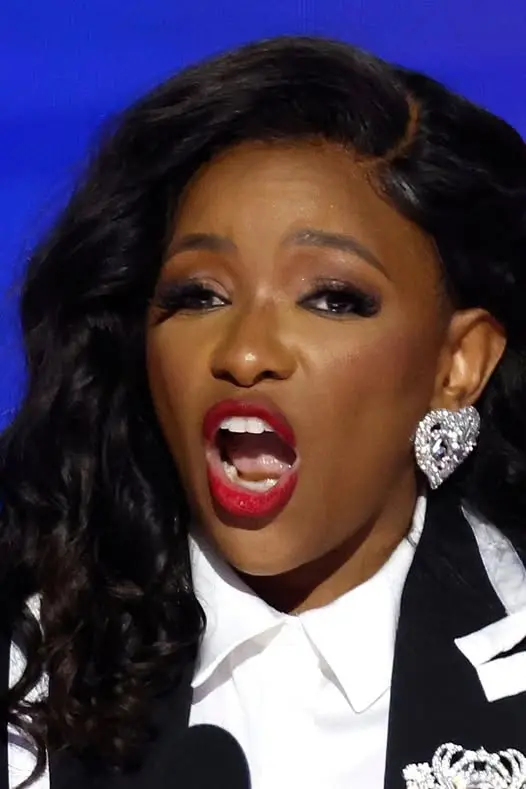
According to those present in the studio, the shift in tone was sudden and unexpected. During the live broadcast, Jasmine Crockett abruptly pivoted away from the planned topic and directed a series of sharp remarks at Katt Williams. In a moment that immediately sent shockwaves through the audience, she labeled him “a fading comedian pretending to be a truth-teller,” a statement that quickly spread across social media platforms within minutes of airing.
Viewers anticipated a heated response, perhaps even a chaotic breakdown of the segment. But what followed instead was something entirely different—and, to many, far more impactful. Katt Williams, known for his razor-sharp wit and unapologetic commentary, maintained a calm and composed demeanor. Without raising his voice or losing control, he began to systematically dismantle each accusation leveled against him.
Drawing on decades of experience in comedy and public discourse, Williams defended not only his career but also his broader contributions beyond the stage. He referenced his long-standing involvement in community service initiatives, his advocacy work, and the principles that have guided his public persona. His response, measured yet cutting, was widely described by viewers as a “masterclass in composure and intellectual rebuttal.”
The atmosphere in the studio reportedly shifted dramatically. What had moments earlier been a tense and unpredictable exchange turned into complete silence as Williams spoke. Audience members and production staff alike were said to be visibly stunned, with many later describing the moment as “electrifying” and “unlike anything seen on live television in years.”
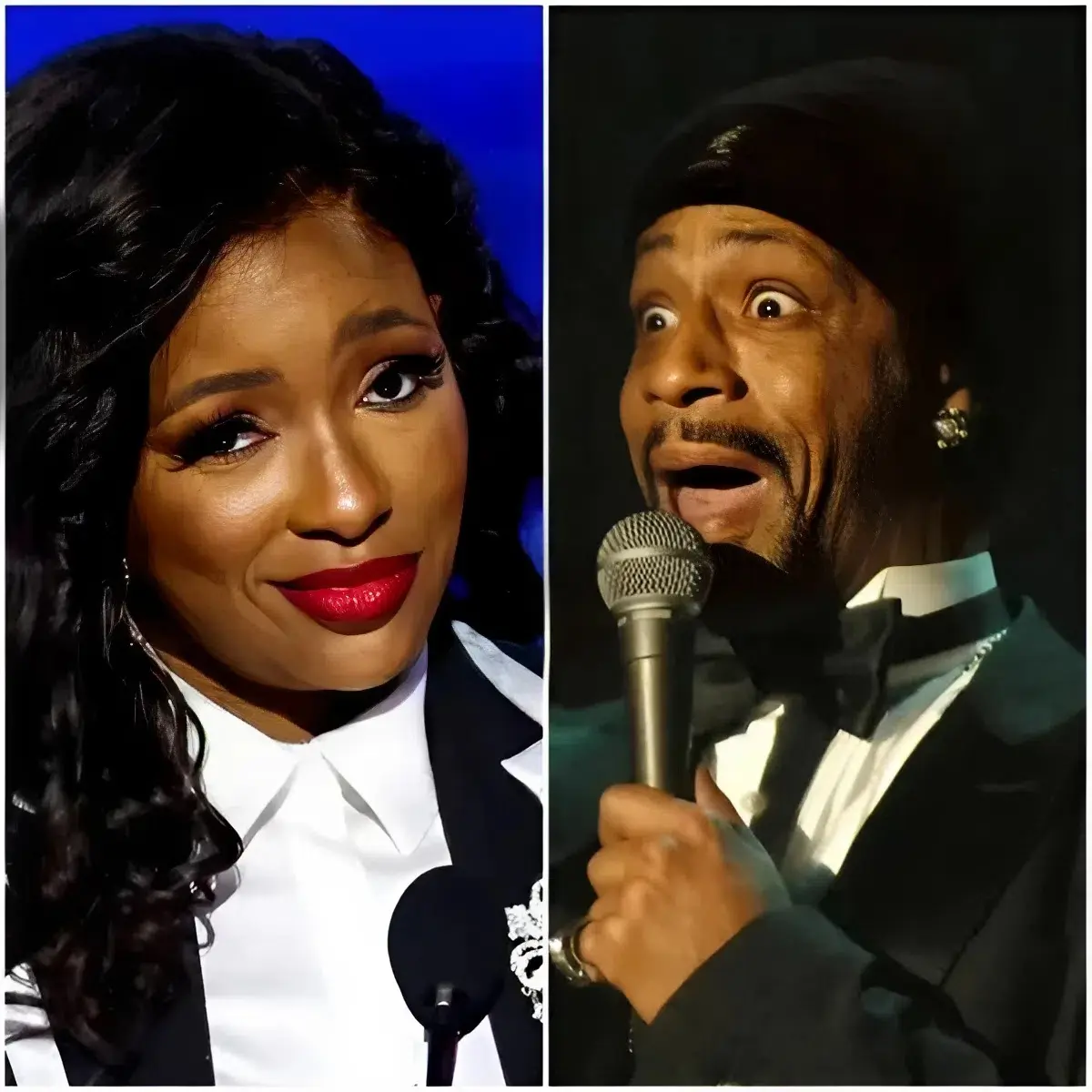
Clips of the confrontation quickly went viral, amassing millions of views across multiple platforms. Supporters of Katt Williams praised his ability to remain composed under pressure, while critics debated whether the initial remarks crossed a line. The incident ignited a broader conversation about respect, accountability, and the boundaries of public discourse in live media.
However, the story did not end when the cameras stopped rolling. Just days after the broadcast, Katt Williams’ legal team made a move that escalated the situation to an entirely new level. They filed an $80 million lawsuit against Jasmine Crockett and the network, citing defamation and emotional distress. The filing alleges that the statements made on air were not only damaging to Williams’ reputation but also intentionally harmful.
Legal analysts have described the lawsuit as both bold and consequential. Some experts suggest that the case could set a precedent for how public figures respond to statements made in live broadcast settings, particularly when those statements are perceived as defamatory. Others view it as a strategic move by Williams to assert control over his narrative and protect his legacy.
Public reaction has been sharply divided. Supporters argue that Katt Williams is taking a necessary stand against what they see as an increasing trend of public figures being unfairly targeted or misrepresented on national platforms. They believe the lawsuit sends a clear message that reputations cannot be undermined without consequences.
On the other hand, critics question whether the legal action is excessive, suggesting that heated exchanges are an inherent part of live television and public debate. They argue that such situations, while uncomfortable, should be addressed through dialogue rather than litigation.
Despite the differing opinions, one thing is undeniable: the incident has captured the attention of the nation. It has sparked discussions not only about the individuals involved but also about the broader dynamics of media, power, and accountability. In an era where viral moments can shape public perception in an instant, the stakes have never been higher.

For Katt Williams, the lawsuit represents more than just a legal dispute—it is a statement. Throughout his career, he has built a reputation for speaking candidly and चुनौतीing established narratives. This latest move reinforces that image, positioning him as someone unwilling to remain silent in the face of what he perceives as injustice.
As the case moves forward, all eyes will be on how it unfolds. Will it lead to a settlement, a courtroom showdown, or a broader industry reckoning? The answer remains uncertain, but the impact of this moment is already being felt.
Steadfast, unapologetic, and resolute, Katt Williams has once again demonstrated why he remains a formidable presence in American culture. Whether one agrees with his actions or not, his response to the controversy has ensured that his voice—and his perspective—cannot be ignored. In a media landscape defined by fleeting attention spans, this is one story that refuses to fade.