The gates of Sandringham House have historically been a symbol of royal unity and Christmas tradition, but this summer they have become the site of the most brutal family eviction in modern history. In a move that has sent shockwaves through the Commonwealth, King Charles III has officially and decisively banned Prince Harry and Meghan Markle from the Norfolk estate. This high-stakes decision marks the absolute end of any remaining diplomatic ties between the Sovereign and his second son, signaling that the “Sussex era” of the British Monarchy is not just over, but permanently erased from the royal calendar.
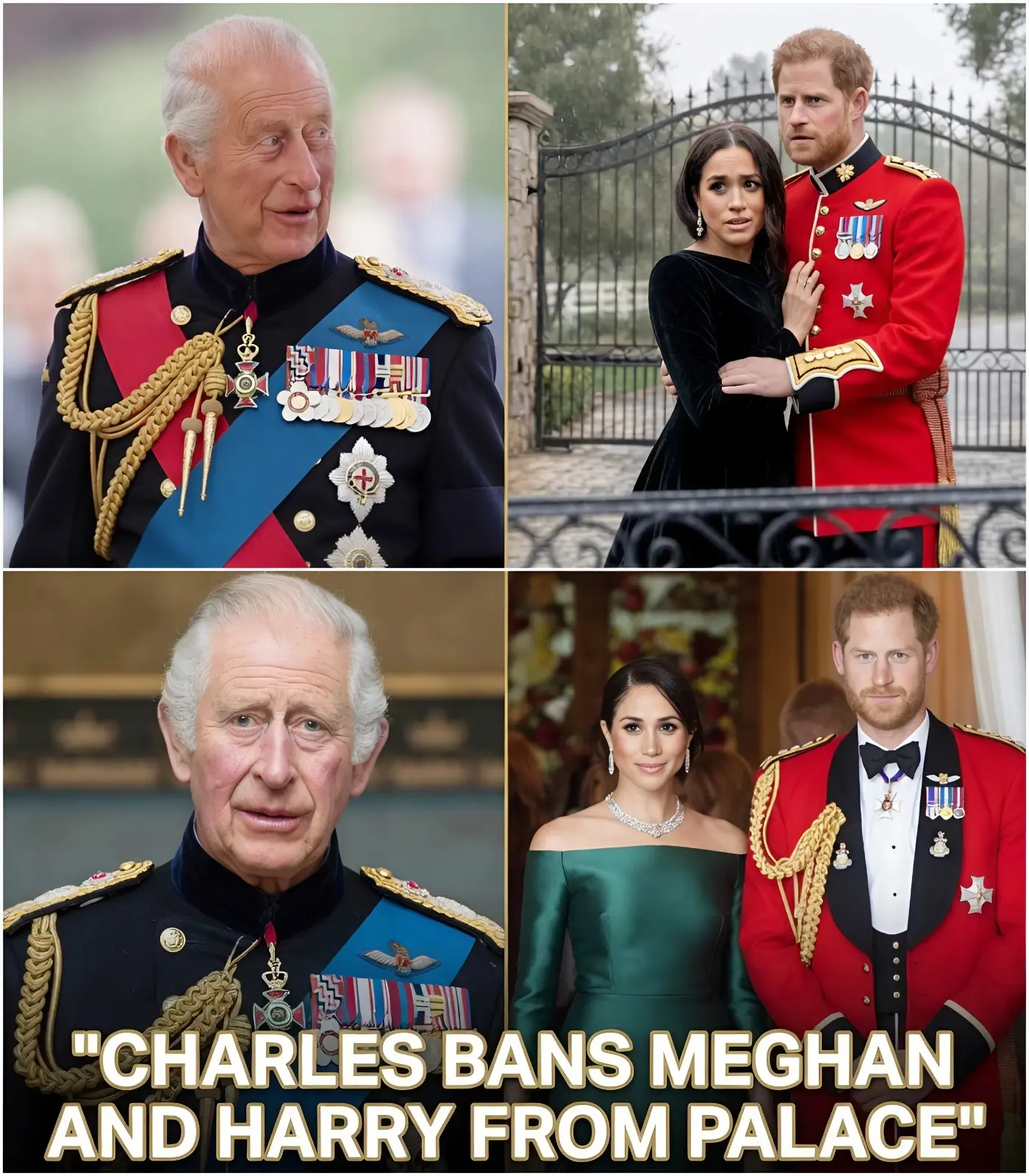
The dramatic “Sandringham Ban” comes after years of strained relations that have tested the limits of royal patience. According to well-placed sources within Buckingham Palace, the catalyst was the couple’s recent controversial tour of Australia and surrounding regions. What Harry and Meghan hoped would be a triumphant re-establishment of their international profile reportedly backfired, generating diplomatic friction and domestic criticism that palace insiders are calling the “final straw.” After multiple attempts at quiet reconciliation and tentative peace offerings, the King has drawn a firm, irreversible line.
For the first time in nearly a century—since the abdication crisis of Edward VIII—a senior royal has been so publicly and surgically excised from a key family residence.
Sandringham House, the private Norfolk estate where the royal family traditionally gathers for Christmas and summer retreats, holds deep sentimental value. It was here that Prince Harry spent many formative childhood moments, riding ponies, shooting, and experiencing the rhythms of royal country life. By barring the Duke and Duchess of Sussex from the property, King Charles is not merely enforcing a logistical restriction; he is stripping away one of the last tangible symbols of their royal belonging. The ban extends to both formal and informal access, meaning no holidays, no private family gatherings, and no quiet returns under any circumstances.
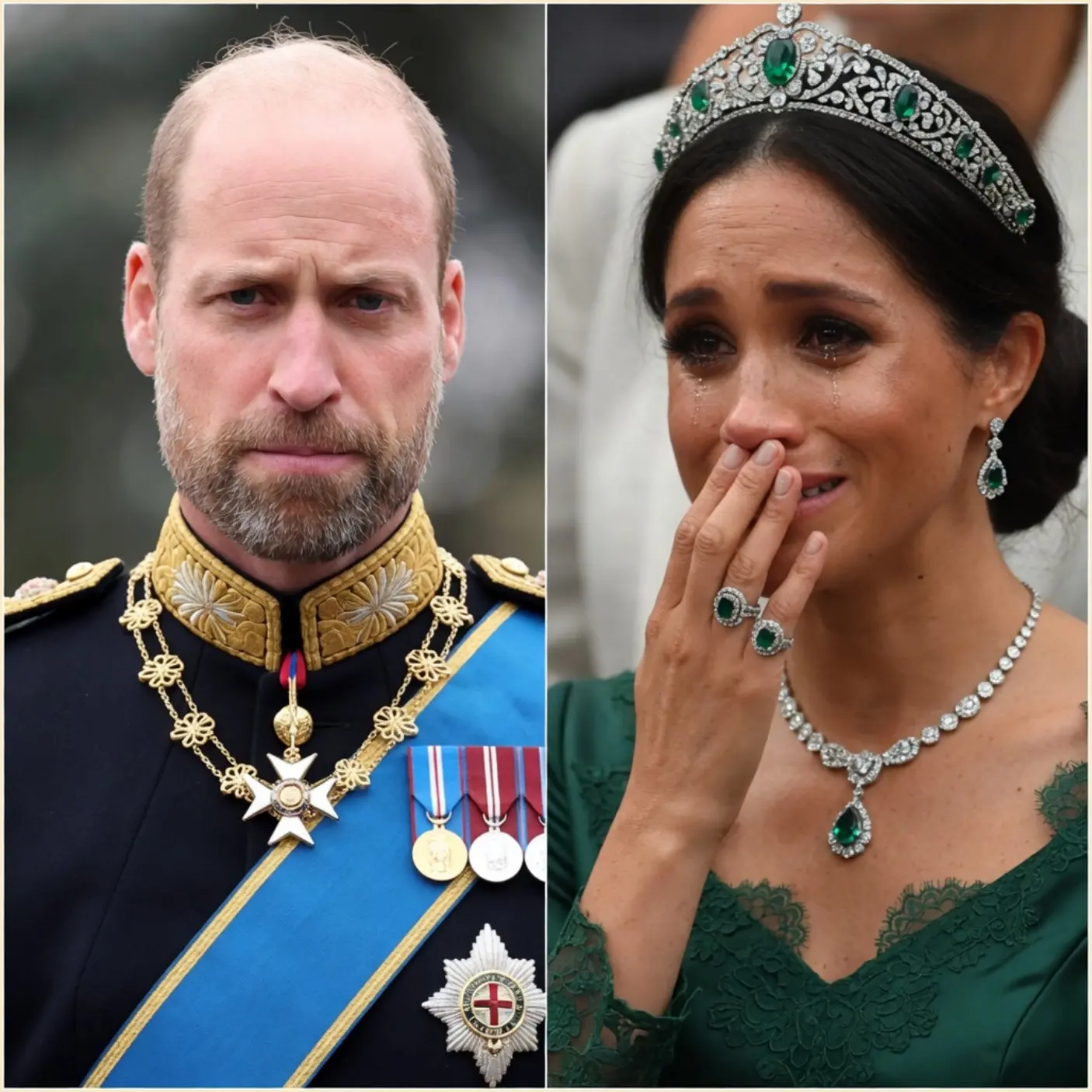
Palace sources describe the King’s decision as a protective measure born from deep frustration. “His Majesty has tried patience, understanding, and mediation,” one insider revealed. “But the constant noise, conflict, and public drama emanating from Montecito have become an unsustainable distraction. The priority must now be the stability of the institution and the protection of the core family.” King Charles, who has spent much of his reign navigating health challenges and the delicate transition of power, is said to be focused on legacy-building and ensuring a smooth future under Prince William.
In this context, the Sussexes are viewed as an ongoing source of instability that cannot be managed through conventional family channels.
This development represents far more than a personal family dispute. It constitutes a calculated constitutional and institutional statement. By physically excluding Harry and Meghan from Sandringham, the monarch is formally redefining their status. They are no longer considered working or even peripheral members of the House of Windsor. Instead, they are now treated as entirely separate private individuals whose actions fall outside royal oversight or protection. The removal of access to royal properties, titles in practice, and family sanctuaries completes a long process of detachment that began with their 2020 decision to step back from royal duties.
Public reaction has been swift and sharply divided, igniting what commentators are calling the “Shattered Crown” debate. Traditional royalists and older generations largely support the King’s firm stance. Many view it as a necessary assertion of authority to preserve the dignity and continuity of the monarchy in an age of relentless media scrutiny. “Enough is enough,” declared one prominent royal biographer. “The institution cannot function if every disagreement becomes a global spectacle.” Conservative media outlets have praised Charles for finally showing the resolve expected of a sovereign.
Conversely, younger audiences and Sussex supporters have condemned the ban as unnecessarily harsh and even vindictive. Social media platforms have filled with accusations of cruelty, with hashtags like #JusticeForHarry and #FreeHarry trending in various regions. Critics argue that exiling his own son from a family home risks portraying the monarchy as cold and unforgiving, potentially alienating progressive and international supporters. There are growing concerns that this move could transform Harry and Meghan into sympathetic “royal martyrs,” encouraging them to produce further memoirs, documentaries, or interviews that revisit old grievances with renewed intensity.
The timing of the ban adds another layer of poignancy. Summer at Sandringham has traditionally been a period of relative privacy for the royals, away from the intense spotlight of London. Now those grounds stand quieter, with vacant rooms and heightened security reflecting the absence of the once-favored prince. For Prince Harry, who has spoken publicly about his love for the English countryside and his sense of rootlessness since leaving royal life, the exclusion carries deep emotional weight.
Meghan, who has built a new life centered on California wellness, entrepreneurship, and advocacy through Archewell, faces a future even further detached from British royal traditions.
Royal watchers note that this decision aligns with Prince William’s increasingly influential role. As the future King, William has reportedly prioritized a streamlined, scandal-resistant monarchy focused on duty, environmental causes, and family stability. The Wales family—William, Catherine, and their three children—continues to embody a more traditional and disciplined public image. The contrast with the Sussexes’ media-oriented approach has only grown starker over time.
The broader implications for the monarchy remain uncertain. On one hand, removing a persistent source of controversy could allow the institution to refocus on its core mission of public service and national unity. King Charles has invested heavily in environmental initiatives, interfaith dialogue, and modernizing aspects of royal patronage. A quieter court might better serve these goals. On the other hand, the permanent exile of a popular royal son risks long-term reputational damage, especially among younger demographics who value reconciliation and emotional openness.
As the summer progresses, the silence surrounding Sandringham feels heavy with finality. There are no scheduled visits, no quiet negotiations leaking to the press, and no indications of softening on either side. The gates remain firmly closed, both literally and metaphorically. Prince Harry and Meghan Markle now navigate their lives as fully independent global figures, their royal identities reduced to historical footnotes rather than active privileges.
Whether King Charles has successfully safeguarded the monarchy from a toxic distraction or inadvertently sparked a deeper generational conflict is a question that will unfold over the coming years. The House of Windsor has survived countless crises through adaptation and resilience, yet this latest chapter tests its ability to balance tradition with compassion in the unforgiving glare of modern transparency. The royal family, once defined by its unity behind closed gates, now stands visibly fractured. The line has been drawn, the ban enforced, and the monarchy enters a new chapter—one where the Sussexes exist firmly on the outside looking in.
The consequences of this summer eviction will echo far beyond the Norfolk countryside, shaping public perception of the Crown for decades to come.