A major new development has sent shockwaves across Australia in the heartbreaking case of Kumanjayi Little Baby, the 5-year-old girl whose tragic death stunned the nation.
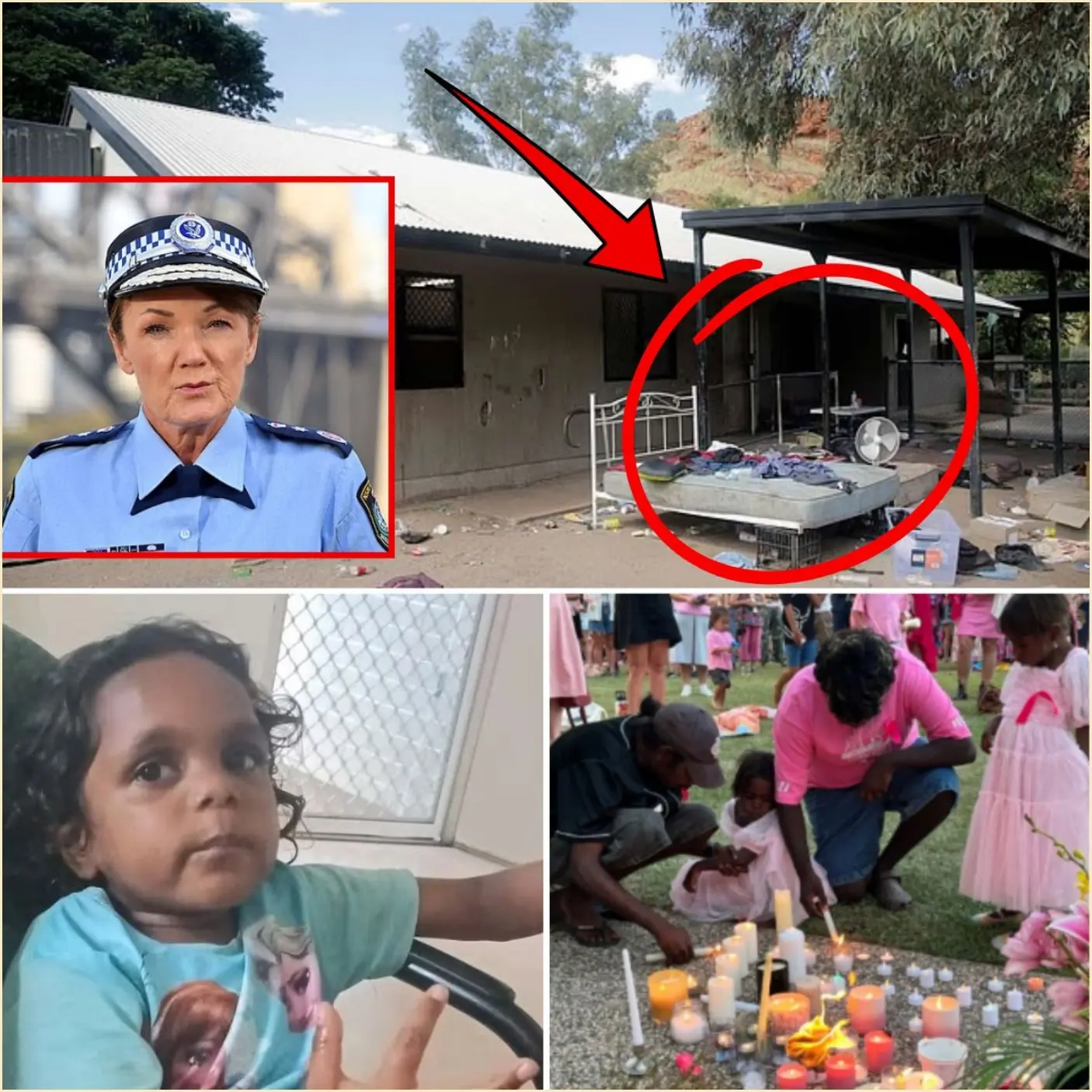
Former top police officer Karen Webb has reportedly been brought in to lead a fresh, high-level investigation into the circumstances surrounding the little girl’s murder. The appointment of such a high-profile and experienced figure has fueled intense speculation that authorities may be preparing for significant new revelations. Public outrage continues to build, with many Australians demanding full transparency and accountability over how such a horrific tragedy was allowed to happen. Insiders suggest Webb’s involvement signals that investigators are now digging deeper than ever before, potentially uncovering explosive new details that could change the direction of the case.
As the investigation intensifies, many believe an even darker and more disturbing chapter of this heartbreaking story is about to unfold.
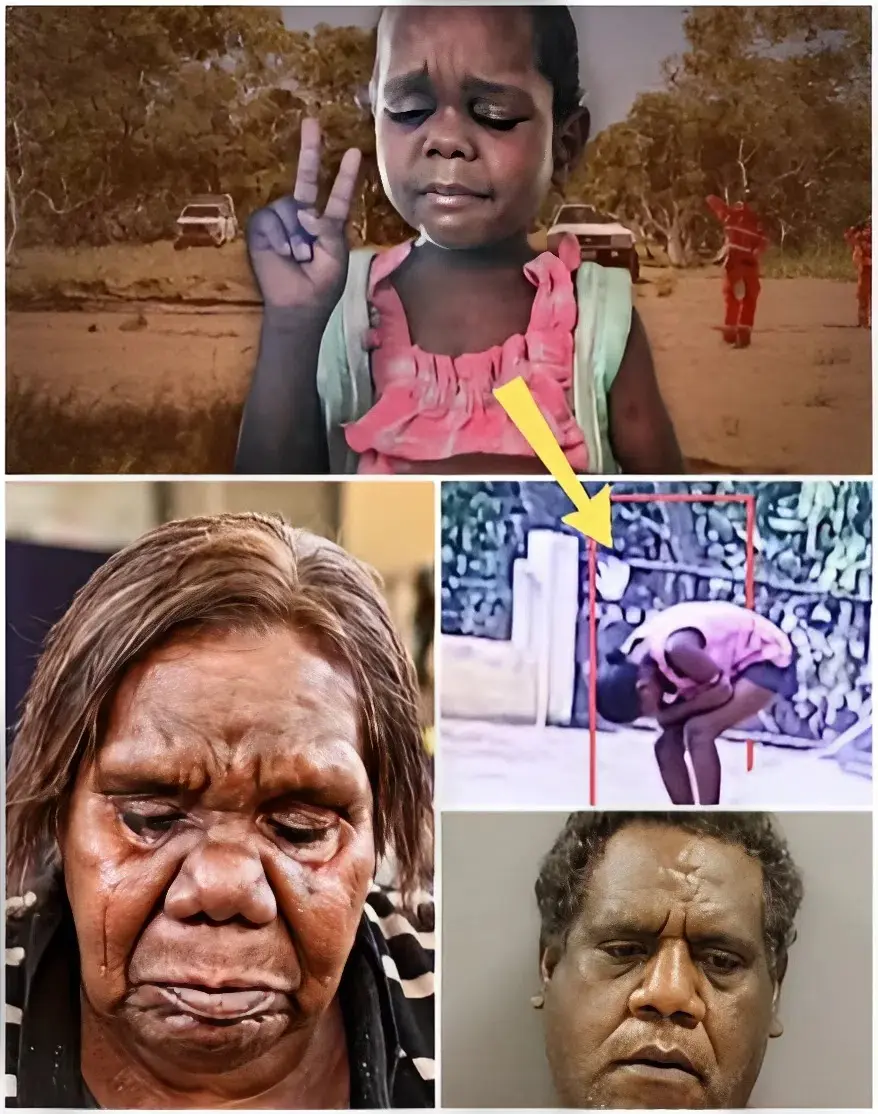
The brutal death of Kumanjayi Little Baby, a Warlpiri girl known by that name posthumously in line with cultural protocols, has gripped the Australian public since her disappearance from the Old Timers/Ilyperenye town camp in Alice Springs in late April 2026. The five-year-old was reported missing by her mother in the early hours after being put to bed. What followed was an agonizing five-day search involving police, volunteers, and aerial support across the harsh Outback terrain. Her body was discovered on April 30, several kilometers from the camp, triggering an outpouring of national grief, anger, and calls for systemic change.
Jefferson Lewis, a 47-year-old man, was arrested shortly afterward and charged with murder and two counts of sexual assault. The arrest itself sparked violent unrest outside the hospital where Lewis was being treated, with community members demanding justice and clashing with police. Five people were later arrested in connection with the disturbances. The case has laid bare deep-seated issues in Alice Springs town camps, including chronic violence, substance abuse, inadequate child protection, and long-standing failures in remote Indigenous communities.
Now, the appointment of Karen Webb, the recently retired Commissioner of the New South Wales Police Force, marks a significant escalation in the official response. Webb, widely respected for her leadership during challenging periods in NSW policing, will jointly lead an independent review into the Northern Territory’s child protection system, with a particular focus on the actions—or inactions—taken in the lead-up to Kumanjayi’s disappearance. She will work alongside former senior NT public servant Greg Shanahan. The review was announced by NT Child Protection Minister Robyn Cahill amid mounting pressure from Indigenous leaders, federal politicians, and the broader Australian public.
Webb’s involvement is seen by many as a deliberate move to bring impartiality and rigor to what has become a highly charged national conversation. As a former top cop with decades of experience in major investigations and organizational reform, her leadership is expected to cut through local political sensitivities and deliver unflinching recommendations. Insiders within law enforcement and government circles suggest the probe will examine not only the specific case management of Kumanjayi Little Baby but also broader systemic failures in the NT Department of Children and Families.
Three child protection workers have already been stood down pending internal investigations related to the girl’s circumstances.
Public reaction has been visceral. Vigils have been held in major cities including Sydney, Melbourne, and Alice Springs, drawing thousands who lit candles, shared stories of loss, and demanded action. Senator Jacinta Nampijinpa Price, an Indigenous federal politician and aunt to the victim, delivered an emotional speech in Parliament, breaking down as she spoke of her niece’s senseless death and the “entrenched dysfunction” in town camps. She criticized governments for prioritizing ideology over child safety out of fear of repeating the mistakes of the Stolen Generations.
The tragedy has reignited debates about child removal policies in Indigenous communities. Critics argue that a reluctance to intervene—driven by historical trauma and political caution—has left vulnerable children at risk. Others point to chronic underfunding, overcrowded housing, and intergenerational trauma as root causes that no single review can fully resolve. Prime Minister Anthony Albanese and NT Chief Minister have both expressed condolences and pledged support, but many Australians feel words are no longer enough.
Karen Webb’s review is expected to delve into critical questions: Were there warning signs that authorities missed? Did child protection services have prior interactions with the family or the accused? Were resources adequate in one of Australia’s most challenging regions? Early indications suggest the investigation could uncover uncomfortable truths about resource allocation, training, cultural competency, and inter-agency coordination in the Northern Territory.
For the family of Kumanjayi Little Baby, the pain remains raw. Her mother issued a statement at a recent vigil, pleading for justice and for the community to protect its children. Community leaders in Alice Springs have described the town camps as “hell holes” plagued by violence, where children like Kumanjayi are exposed to unimaginable risks on a daily basis. The use of the name “Kumanjayi Little Baby” itself reflects cultural practices around mourning and naming the deceased, adding another layer of sensitivity to media coverage and public discourse.
As Webb begins her work, expectations are high. Supporters hope the review will lead to meaningful reforms: better early intervention, increased funding for remote services, stronger partnerships with Indigenous organizations, and a cultural shift that puts child safety unequivocally first. Skeptics worry it may become yet another report that gathers dust on a shelf while underlying problems persist.
The case has also drawn international attention, shining a harsh light on Australia’s ongoing challenges with Indigenous disadvantage. Comparisons have been made to other high-profile failures in child protection systems globally, underscoring that this is not merely a Northern Territory issue but a national reckoning.
While Jefferson Lewis’s criminal proceedings continue through the courts, the parallel investigation led by Karen Webb represents a broader search for accountability. It aims to answer how a five-year-old girl could be taken from her bed in a community setting and murdered in such a brutal manner. The answers, when they emerge, could prove explosive, forcing uncomfortable conversations at every level of government and society.
Australia finds itself at a crossroads once again. The death of Kumanjayi Little Baby has united people in sorrow but also exposed divisions in how best to address the complex interplay of history, culture, poverty, and crime. With a seasoned investigator like Karen Webb at the helm, there is cautious optimism that this time, real change might follow tragedy. Yet for the family and the nation still mourning a little girl whose life was cut far too short, no investigation can restore what has been lost.
The focus now turns to ensuring no other child suffers the same fate, as the review promises to peel back layers of a system long overdue for scrutiny.
The coming weeks and months will be critical. Australians from all walks of life will be watching closely, hoping that this fresh investigation delivers not just revelations, but genuine pathways to prevent future heartbreak in communities that have endured too much for far too long.