**A viral quote allegedly attributed to Meghan, Duchess of Sussex — “I don’t live in Kate’s shadow — I shine brighter” — has exploded across social media, pouring fresh fuel on the long-running online divide between supporters of the Sussexes and fans of the Princess of Wales.**
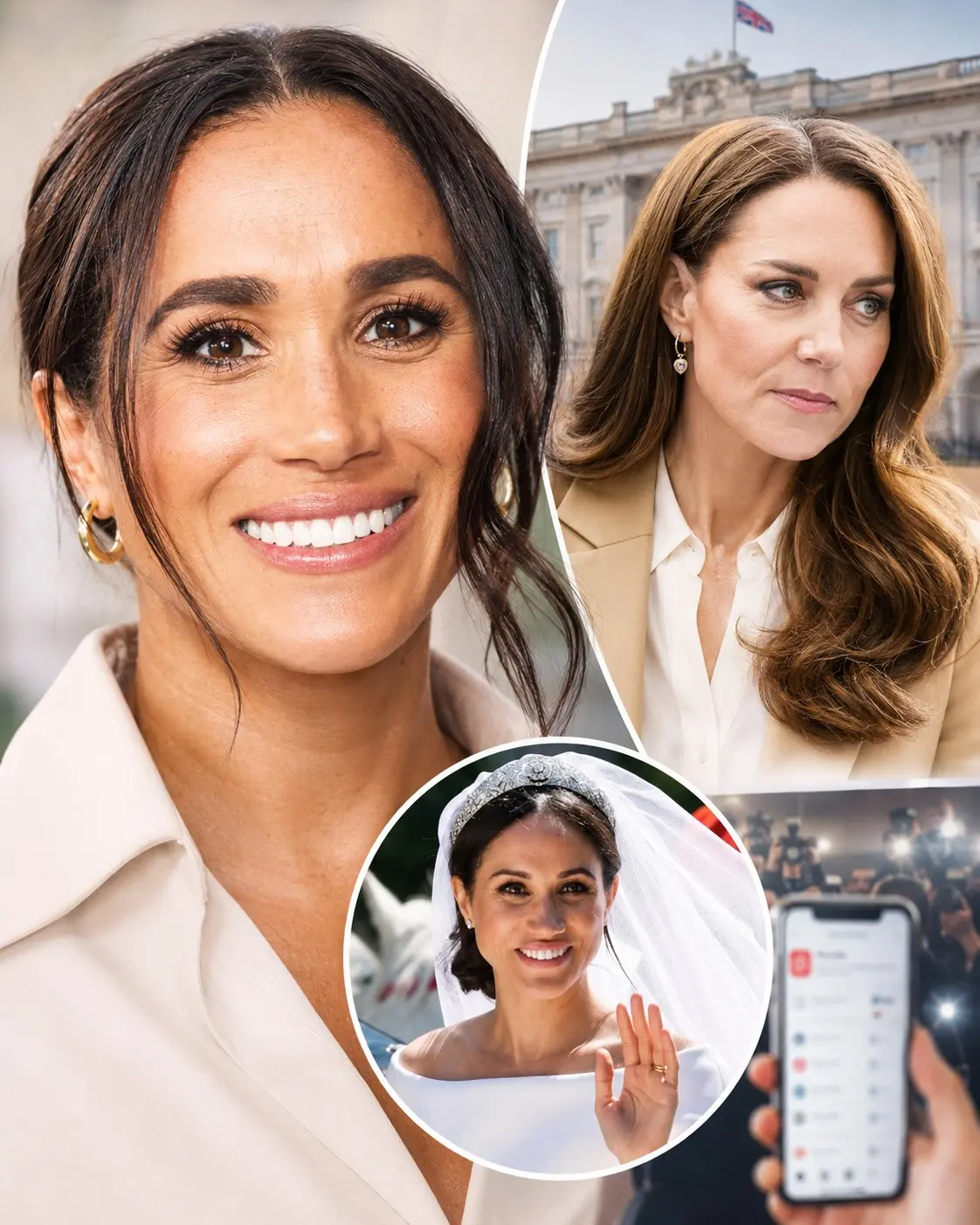
In the ever-volatile world of royal commentary, few topics ignite passion quite like the perceived rivalry between Meghan Markle and Catherine, Princess of Wales. The latest spark? A provocative statement circulating widely on platforms like Facebook, Instagram, and X, supposedly spoken by the Duchess of Sussex.
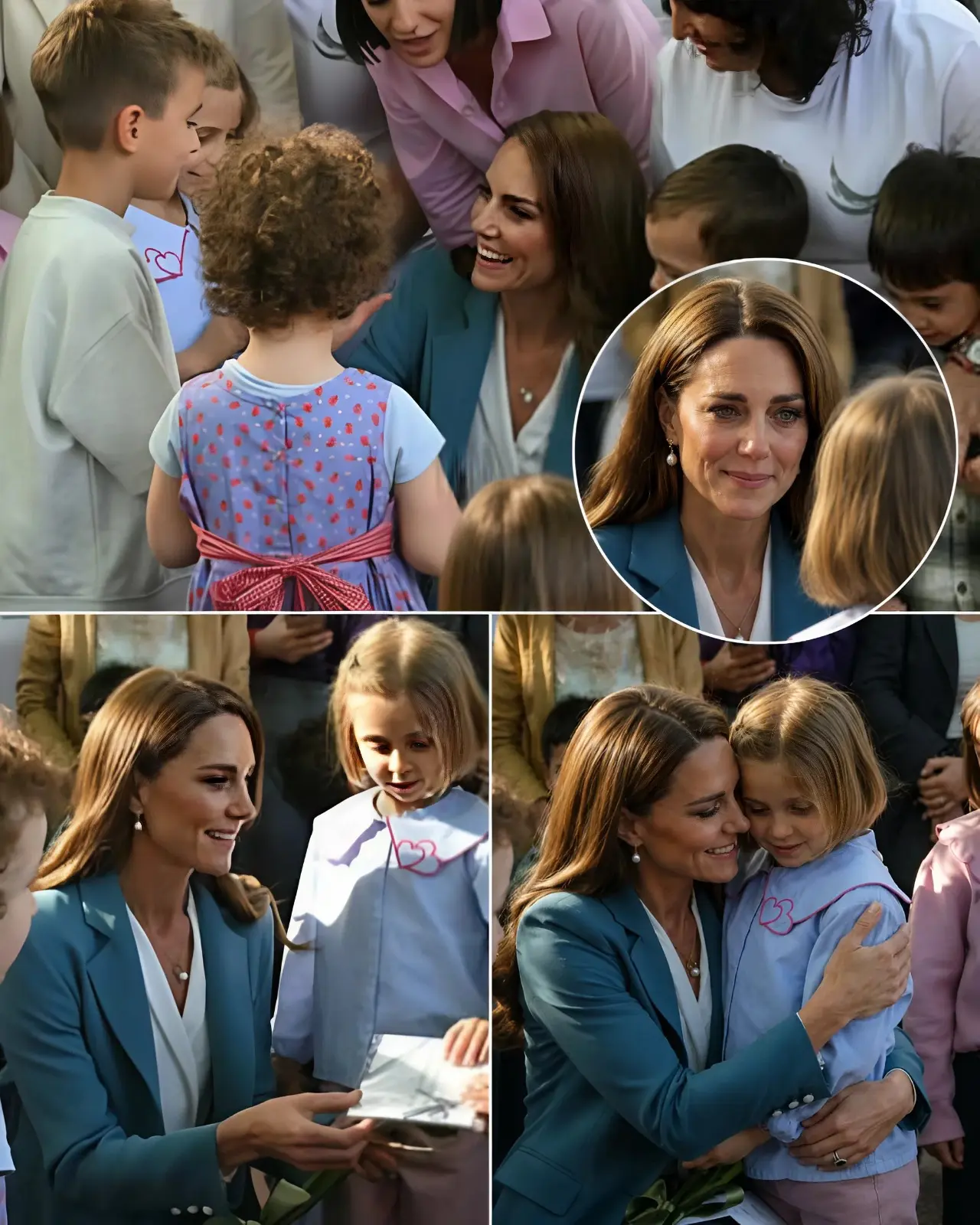
Whether authentic or fabricated for clicks, the line “I don’t live in Kate’s shadow — I shine brighter” has reignited fierce debates, with Meghan’s admirers hailing it as a bold declaration of independence while Catherine’s supporters view it as yet another unnecessary jab at a beloved royal figure who has earned admiration through quiet grace and duty.
The quote emerged amid a period of heightened public interest in both women. Meghan, now focused on life in California with Prince Harry and their two children, continues to pursue entrepreneurial ventures, media projects, and philanthropic efforts through the Archewell Foundation. Catherine, meanwhile, has been navigating her recovery and public duties following health challenges, endearing herself further to the British public with her resilience and commitment to family and service.
In this context, the alleged remark lands like a lit match on dry tinder, amplifying existing narratives of competition, contrast, and unresolved tension between the two duchesses who once stood side by side as senior royals.
For Meghan’s defenders, often called “Sussex Squad,” the sentiment resonates deeply. They argue that from the moment she entered the royal fold as an American actress, biracial woman, and self-made professional, Meghan faced impossible standards and unfair comparisons. The idea of rejecting any notion of living in another’s shadow aligns with her public messaging about authenticity, empowerment, and carving one’s own path. Supporters point to her post-royal successes — Netflix deals, lifestyle branding with American Riviera Orchard, and advocacy work — as evidence of a woman determined to define her own light rather than dim it for institutional expectations.
“Meghan has always been her own star,” one prominent fan account posted, garnering thousands of likes. “She doesn’t need permission to shine.”
On the other side, loyalists to Catherine, affectionately known as “Kate fans” or royal traditionalists, see the quote — if real — as tone-deaf and provocative. Catherine has cultivated a reputation for elegance, poise, and dedication to her roles as Princess of Wales, mother, and patron of numerous causes, particularly those focused on early childhood development and mental health. Many argue she has never positioned herself in opposition to Meghan but has instead focused on service.
Critics of the alleged comment suggest it perpetuates a narrative of victimhood and rivalry that does little to foster reconciliation, especially at a time when the royal family has emphasized unity. “Catherine leads by example and doesn’t need to shout about shining,” one commenter remarked, reflecting a common sentiment among those who view the Princess as the steady, dutiful future Queen.
The online war has played out predictably: hashtags like #MeghanShines, #KateIsClass, and #RoyalRivalry trending in waves, with threads dissecting everything from fashion choices to public appearances. Some users have created side-by-side comparisons of the women’s recent projects, while others debate the broader implications for the monarchy. What began as a single viral post has snowballed into podcasts, YouTube videos, and opinion pieces, each adding layers of interpretation, speculation, and occasionally misinformation.
This latest flare-up taps into a deeper story that dates back to Meghan and Harry’s wedding in 2018 and their departure from royal duties in 2020. The Oprah interview, the Netflix documentary “Harry & Meghan,” and Harry’s memoir “Spare” all touched on tensions within the family, including dynamics between the two couples. Meghan has spoken about the challenges of adjusting to royal life, media scrutiny, and feeling unsupported, while Catherine has largely remained silent on personal matters, allowing her actions to speak.
The alleged quote revives questions about whether old wounds have healed or if parallel paths have simply widened the divide.
Yet, for all the noise, there is nuance often lost in the binary online discourse. Both women are mothers raising young families under extraordinary pressure. Both have faced intense public scrutiny — Meghan for her independence and background, Catherine for upholding tradition while evolving her role. Meghan’s journey represents a modern, boundary-pushing approach to public life, blending celebrity with advocacy. Catherine embodies a more classical royal archetype: continuity, composure, and service above self. In many ways, they highlight different expressions of strength in the 21st century, rather than a zero-sum contest of who shines brighter.
Royal watchers note that the timing of such stories often coincides with periods of heightened visibility for either woman. Recent months have seen Catherine returning to public engagements with warmth and poise, drawing praise for her connection with the public. Meghan, simultaneously, has been promoting new initiatives and appearing at events that showcase her personal brand. In an attention economy, any hint of contrast becomes magnified. Insiders close to the Sussexes have previously described Meghan’s frustration with perceived double standards in media coverage, while those around the Waleses emphasize a desire to move forward without engaging in tit-for-tat.
The broader cultural fascination with this dynamic reveals much about societal expectations placed on women in the spotlight. Discussions frequently veer into territory of race, class, feminism, and institutional power. Meghan’s supporters frequently highlight what they see as racial undertones in some criticism, while Catherine’s fans stress that their admiration stems from her demonstrated reliability and warmth rather than any agenda against Meghan. Social media algorithms, of course, thrive on this polarization, serving users more content that confirms their existing biases and keeping engagement high.
Regardless of the quote’s veracity — and many outlets have noted it remains unconfirmed by any direct statement from Meghan or her representatives — its impact is undeniable. It has prompted reflection on legacy, personal branding, and the challenges of forging identity within one of the world’s most watched families. For Meghan, the narrative of breaking free from shadows aligns with her post-royal reinvention. For Catherine, the focus remains on quiet impact and public service, allowing her natural popularity to speak volumes without needing declarative statements.
As the conversation continues to rage online, one truth emerges clearly: both Duchesses have left indelible marks on the modern monarchy. Meghan brought fresh perspectives, diversity, and a global appeal that transcended traditional boundaries. Catherine has reinforced the institution’s enduring appeal through consistency and relatability. Their stories, whether viewed as parallel or intersecting, captivate because they humanize larger themes of ambition, duty, motherhood, and resilience.
In the end, the alleged quote serves as a mirror reflecting not just individual personalities but the public’s insatiable appetite for royal drama. Fans on both sides project their values and aspirations onto these women, turning personal journeys into symbolic battles. As 2026 unfolds, with both families charting their courses — one in Montecito, the other at Kensington Palace — the hope for many remains that private lives can flourish away from the relentless online wars.
Whether the words were truly spoken or cleverly manufactured, they underscore a simple reality: in the age of social media, perception often carries more weight than confirmation, and light can be found in many different forms.
The discourse, passionate and divided as ever, reminds us that royal figures remain cultural touchstones. Meghan’s alleged assertion of independent brilliance and Catherine’s steadfast embodiment of tradition both resonate with different audiences for valid reasons. Perhaps the real illumination comes not from declaring who shines brighter, but from recognizing that multiple lights can coexist — each valuable in its own spectrum. As the internet continues to buzz, the two women, separated by an ocean and divergent paths, will likely keep living their lives on their own terms, shadows and spotlights notwithstanding. (Word count: approximately 1495)