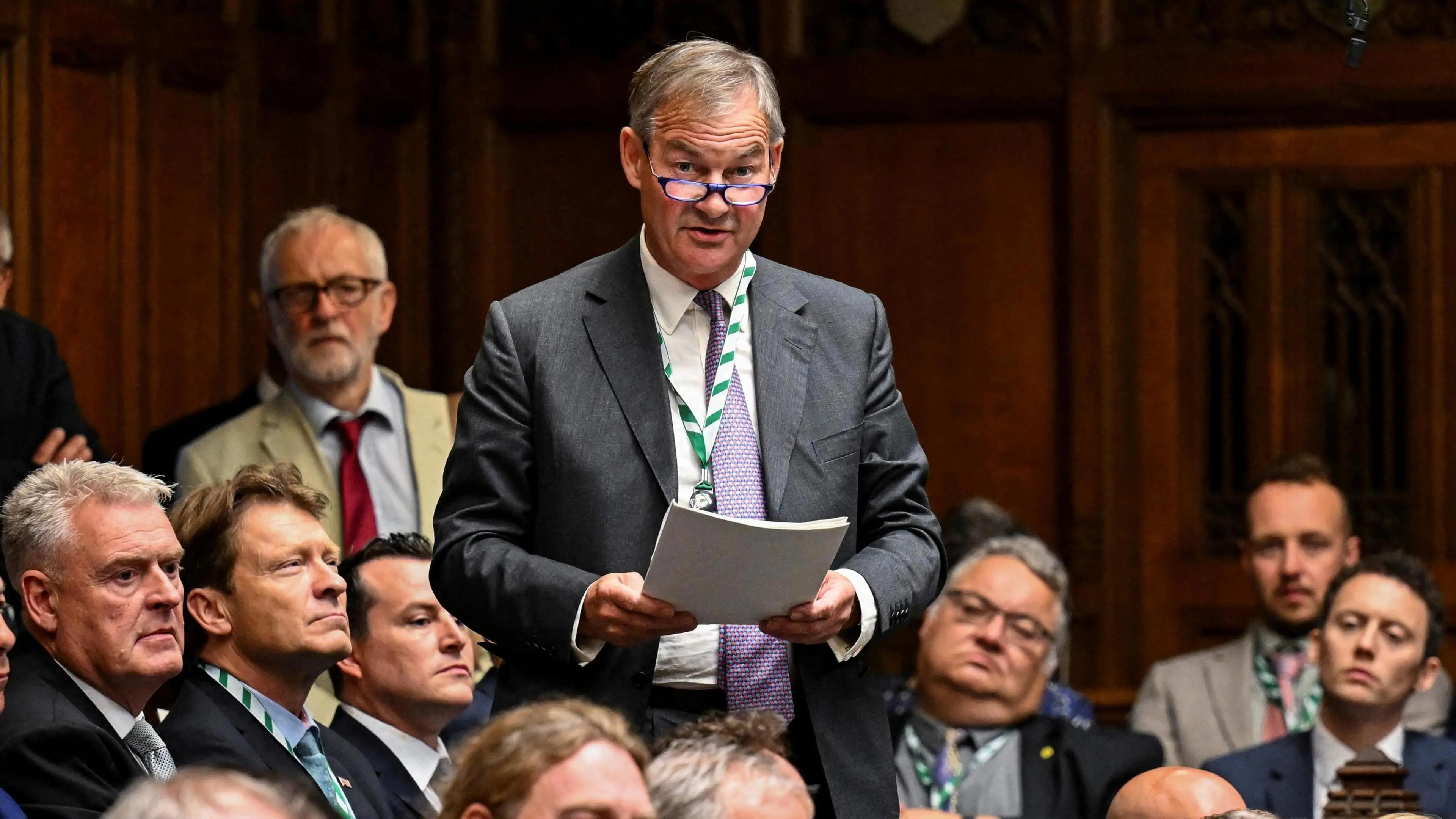
“BRITISH PEOPLE DEMAND ALL MUSLIMS DEPORTED – Rupert Lowe UNLEASHES Hell on Parliament, Shreds Muslim MP’s Pathetic Meltdown!
In a blistering parliamentary storm that’s got the elites quaking, Reform UK’s Rupert Lowe dropped the forbidden truth: the silent majority of Brits are done with half-measures and want EVERY Mus|im out, not just the “”bad ones”” – exposing the catastrophic failure of immigration that’s turned our streets into no-go zones while foreign criminals laugh at deportation laws!I
The Mus|im MP crumbled in a total breakdown, stammering excuses as Lowe hammered home the dark reality: endless appeals, human rights loopholes, and elite protection rackets keeping dangerous offenders here on taxpayer dime, all while British families live in fear and our culture gets erased in the shadows!
A heated parliamentary exchange in the United Kingdom has drawn widespread attention after Rupert Lowe delivered a strongly worded speech on immigration policy, triggering intense reactions both inside and outside Parliament.
The debate quickly escalated as lawmakers clashed over issues related to border control, deportation procedures, and the effectiveness of existing legal frameworks. Emotions ran high, reflecting the deep divisions that continue to shape the national conversation on immigration.
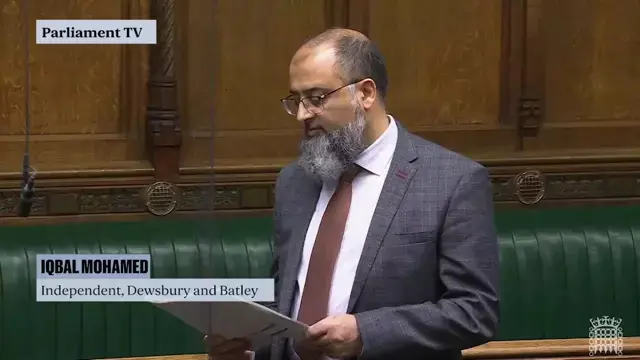
During the session, Rupert Lowe criticized what he described as systemic weaknesses in enforcement mechanisms. He argued that current policies allow prolonged legal appeals and create challenges in removing individuals who violate immigration laws.
Opposing voices in Parliament strongly rejected these claims, emphasizing the importance of upholding human rights standards and due process. They warned that broad or sweeping rhetoric risks undermining social cohesion and could unfairly target entire communities.
The exchange became particularly tense when discussions turned toward the balance between public safety and civil liberties. Lawmakers on both sides highlighted the difficulty of addressing legitimate concerns without compromising fundamental democratic values.
Observers noted that the debate reflects broader anxieties within British society. Concerns about crime, integration, and economic pressures have contributed to a climate where immigration remains one of the most polarizing political issues.
At the same time, advocacy groups and legal experts have stressed that immigration policies must remain consistent with international obligations. They argue that safeguarding rights is essential to maintaining the rule of law and protecting vulnerable individuals.
The role of media and online platforms has also amplified the impact of the parliamentary clash. Clips and commentary have spread rapidly, often intensifying reactions and shaping public perception in ways that extend beyond the original context.
Within affected communities, the debate has sparked concern about rising tensions and potential misunderstandings. Community leaders have called for calm dialogue and responsible language to prevent further division.
Political analysts suggest that such moments are increasingly common in modern democracies, where complex issues are often debated in highly charged environments. They emphasize the need for careful communication and evidence-based policymaking.
Supporters of stricter immigration enforcement argue that governments must respond to public concerns about security and fairness. They believe that clearer rules and more effective systems are necessary to maintain trust in institutions.
Critics, however, caution against framing the issue in ways that may stigmatize entire groups. They highlight the contributions of diverse communities to British society and stress the importance of inclusivity.
The debate also underscores the challenges faced by policymakers in addressing competing priorities. Balancing enforcement with compassion, and security with rights, remains a central dilemma in immigration policy.
As discussions continue, attention is turning toward potential reforms. Proposals range from administrative changes to broader legislative measures, though consensus remains difficult to achieve.
Public opinion remains divided, with different segments of society expressing varying levels of concern and support for different approaches. This diversity of views reflects the complexity of the issue itself.
Experts emphasize that long-term solutions will require more than political rhetoric. Investment in systems, transparent processes, and community engagement are seen as key components of sustainable policy.
The recent parliamentary exchange may serve as a catalyst for renewed debate, but it also highlights the risks of escalating tensions through confrontational language. Constructive dialogue is widely seen as essential moving forward.
For Rupert Lowe and his counterparts, the challenge lies in translating strong opinions into workable policies. The path forward will likely involve negotiation, compromise, and continued public scrutiny.
Ultimately, the controversy reflects a broader moment of reflection within the United Kingdom. Questions about identity, governance, and social cohesion are increasingly at the forefront of national discourse.
As the situation evolves, the focus will remain on how leaders respond and whether they can bridge divides. The outcome of these discussions may shape the direction of immigration policy for years to come.