Federal Judge Denies Ilhan Omar’s Emergency Bid to Halt DOJ Probe as Financial Questions Ignite Political Firestorm
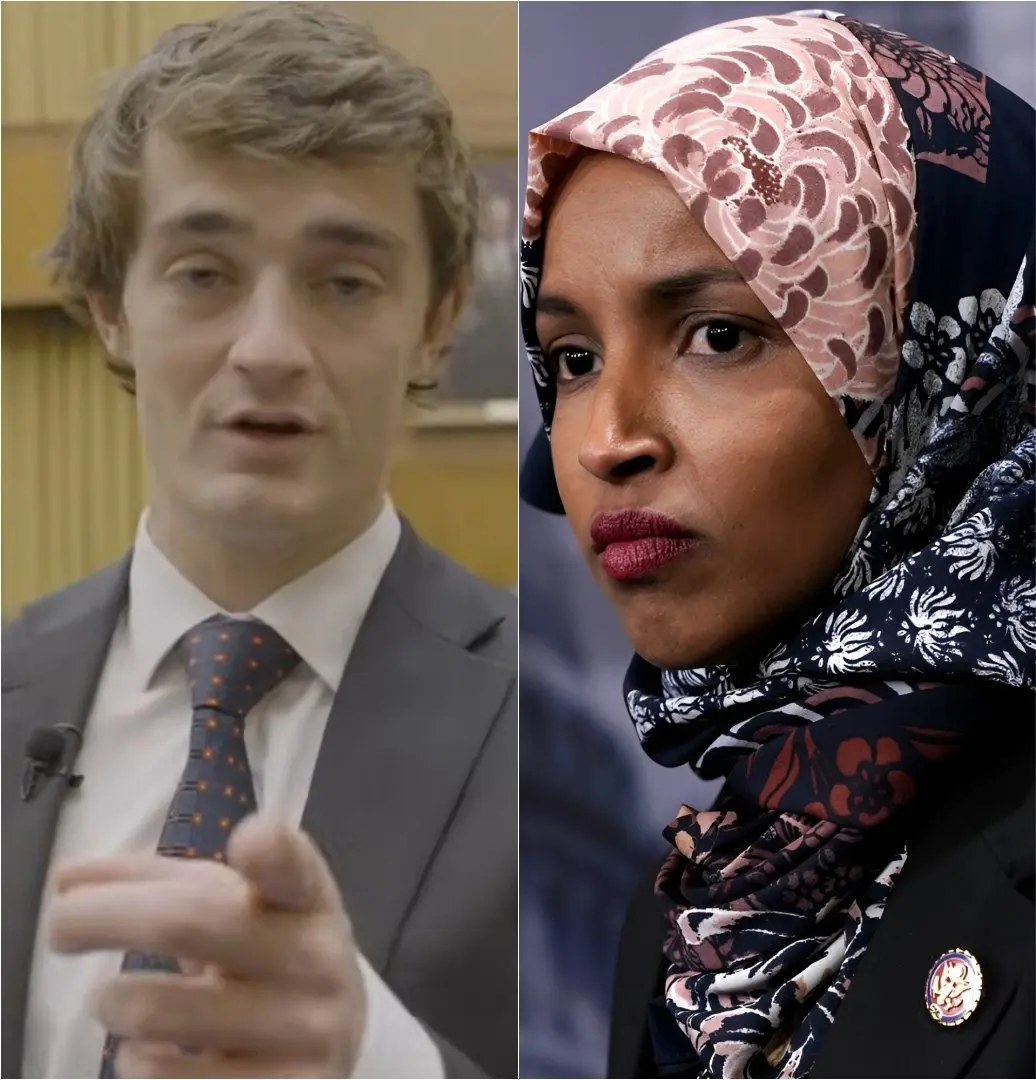
A federal judge has denied an emergency motion filed by Ilhan Omar to halt a reported Department of Justice probe tied to allegations surrounding a dramatic surge in her personal wealth, delivering a swift and decisive ruling that has sent shockwaves through Washington and ignited a viral political firestorm online.
According to court sources familiar with the filing, the motion was rejected without a hearing, effectively clearing the path for federal investigators to continue pursuing financial records and potential subpoenas connected to the Minnesota congresswoman. The ruling came down rapidly, with one legal observer describing it as “procedural but pointed,” emphasizing that the court saw no basis for emergency intervention at this stage.
The decision has intensified scrutiny around Omar, a prominent member of the progressive wing of Congress who has frequently been at the center of national political debate. Now, instead of fiery speeches and partisan clashes on Capitol Hill, the focus has shifted to spreadsheets, banking trails, and alleged overseas financial links that critics claim demand deeper transparency.
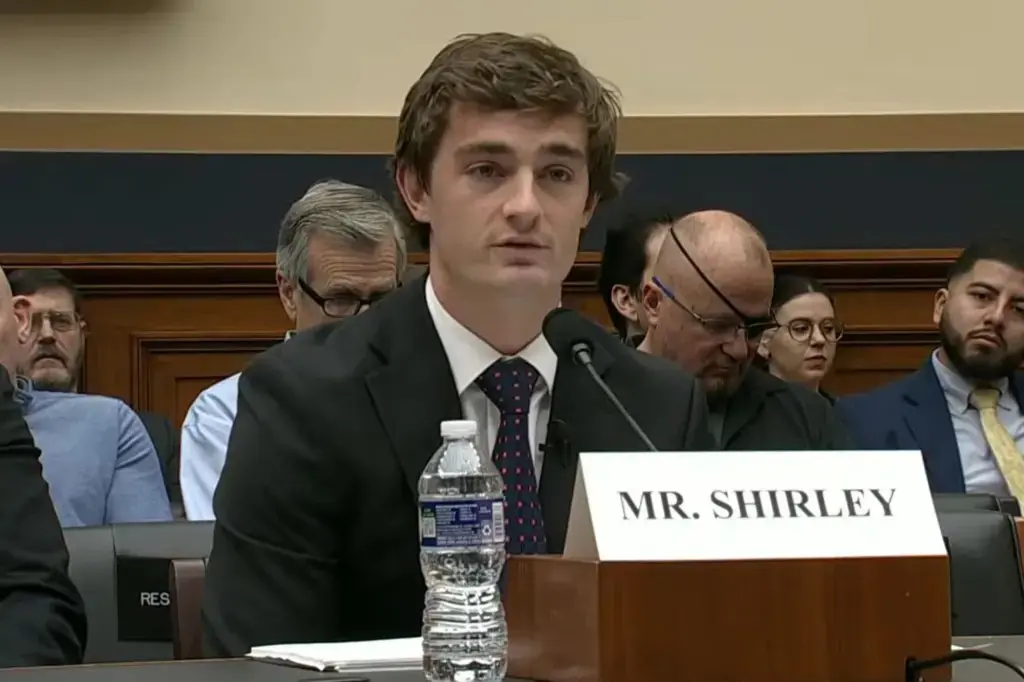
Though the Department of Justice has not publicly detailed the scope of its inquiry, online speculation has exploded in recent days after political commentator and YouTuber Nick Shirley posted a series of viral videos alleging that Omar’s reported net worth growth — which he claims exceeds $40 million — warrants federal examination. Shirley’s commentary, viewed millions of times across social platforms, frames the situation as a reckoning moment for what he calls “unchecked political privilege.”
In one of his widely circulated broadcasts, Shirley declared that the judge’s refusal to intervene marks a turning point. “This isn’t justice delayed,” he said. “This is accountability accelerating.” He has vowed to continue investigating and publishing content related to the case, promising what he describes as a sustained digital campaign until all financial questions are addressed.
Legal analysts caution, however, that allegations circulating online should not be confused with formal charges. As of now, there has been no public indictment, and Omar has not been charged with any crime. Her office has previously dismissed claims about financial misconduct as politically motivated attacks designed to damage her reputation.
Still, the court’s rejection of the emergency bid represents a procedural setback for the congresswoman’s legal strategy. Emergency motions typically require proof of immediate, irreparable harm. By denying the request outright, the judge signaled that the threshold had not been met. While the full written opinion has not yet been widely circulated, a reported remark attributed to the court — “No more games” — has fueled online commentary and speculation about the seriousness of the matter.
Political observers note that Omar has long been a polarizing figure in American politics. Since her election to Congress, she has drawn both fierce support and intense criticism for her outspoken stances on foreign policy, social justice, and domestic reform. Supporters argue that the current wave of accusations fits a broader pattern of targeted scrutiny faced by high-profile progressive lawmakers. Critics counter that public officials, regardless of ideology, must face transparent review when financial irregularities are alleged.
The timing of the probe adds another layer of complexity. With election cycles always looming and partisan tensions already running high, any federal investigation involving a sitting member of Congress is bound to reverberate far beyond the courtroom. Capitol Hill insiders suggest that, if subpoenas are issued, the political ramifications could be swift and severe, potentially impacting committee roles, fundraising efforts, and media narratives.
Financial disclosure forms filed by members of Congress are public records, but they often contain ranges rather than precise figures. Interpreting wealth growth can involve a mix of asset appreciation, book deals, speaking engagements, spousal income, and investments. Experts in congressional ethics stress that dramatic increases in net worth do not automatically imply wrongdoing. However, if overseas accounts or undisclosed financial relationships were proven, that would raise serious legal and ethical questions.
The Department of Justice, consistent with its longstanding policy, has declined to comment on ongoing investigations. That silence has only amplified the online frenzy. Social media platforms have been flooded with hashtags demanding transparency, while others urge caution and due process. The digital battleground reflects a broader national divide over trust in institutions and elected officials.
Meanwhile, Shirley has promised to continue what he describes as “citizen journalism,” teasing future releases that he claims will reveal additional documentation. Whether those materials will withstand legal scrutiny remains to be seen. Nonetheless, his influence underscores the growing role independent digital creators play in shaping political narratives in real time.
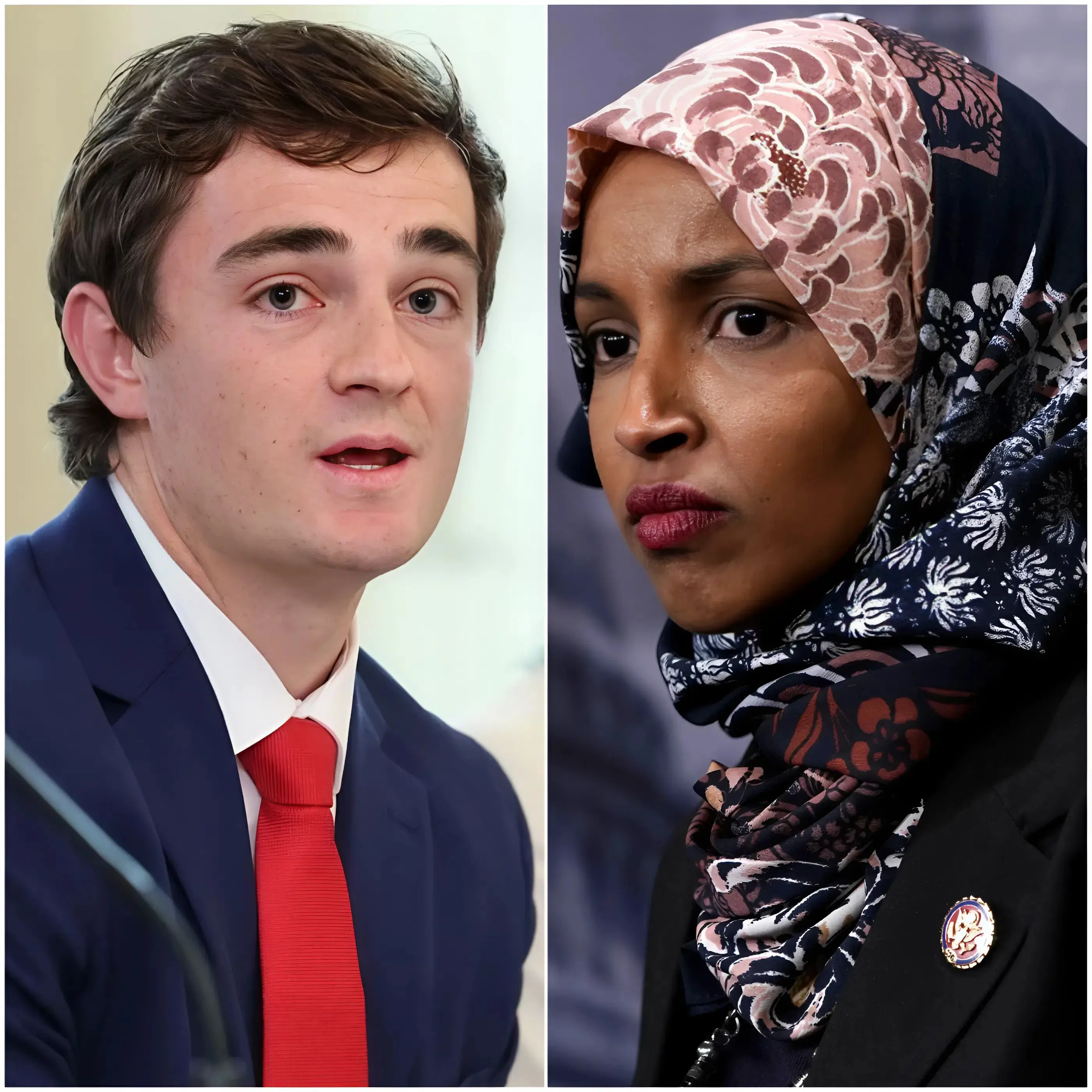
For Omar, the path forward now appears less about courtroom maneuvers and more about weathering the political storm. If subpoenas are issued, her legal team will have opportunities to respond, challenge requests, and present counterarguments. The judicial system, not viral commentary, will ultimately determine the legitimacy of any claims.
The broader implications stretch beyond a single lawmaker. In an era defined by hyper-visibility and rapid information cycles, the intersection of federal investigations and social media amplification creates a volatile mix. Every filing, every quote, every procedural ruling can become a headline within minutes, influencing public perception long before facts are fully established.
As Washington braces for potential next steps, one reality is clear: the denial of the emergency motion ensures that the inquiry, whatever its scope, continues uninterrupted. Whether it leads to formal charges, exoneration, or simply fades after review will depend on evidence, not rhetoric.
For now, the political temperature remains high. Supporters call for fairness and restraint. Critics demand full disclosure and accountability. And across the country, millions are watching to see whether this unfolding legal drama reshapes the narrative surrounding one of Congress’s most high-profile and controversial figures.