🚨 BREAKING NEWS: “BAN NON-STUN SLAUGHTER IMMEDIATELY” — A fierce debate is erupting across the United Kingdom as Rupert Lowe publicly supports calls to end non-stun slaughter practices, an issue that has long divided society 🇬🇧🗳️🐄
According to him, current practices related to Halal and Kosher slaughter should be reconsidered from an animal welfare perspective. He aligns his stance with long-standing petitions and legislative efforts in the UK Parliament, where the issue has been repeatedly raised but has yet to reach a clear consensus.
Caught between opposing viewpoints, British lawmakers now face a complex challenge: how to balance the protection of animal welfare with respect for religious diversity in a modern society. As public pressure continues to grow, the question remains whether this proposal will advance in Parliament or remain stuck in an ongoing cycle of controversy.
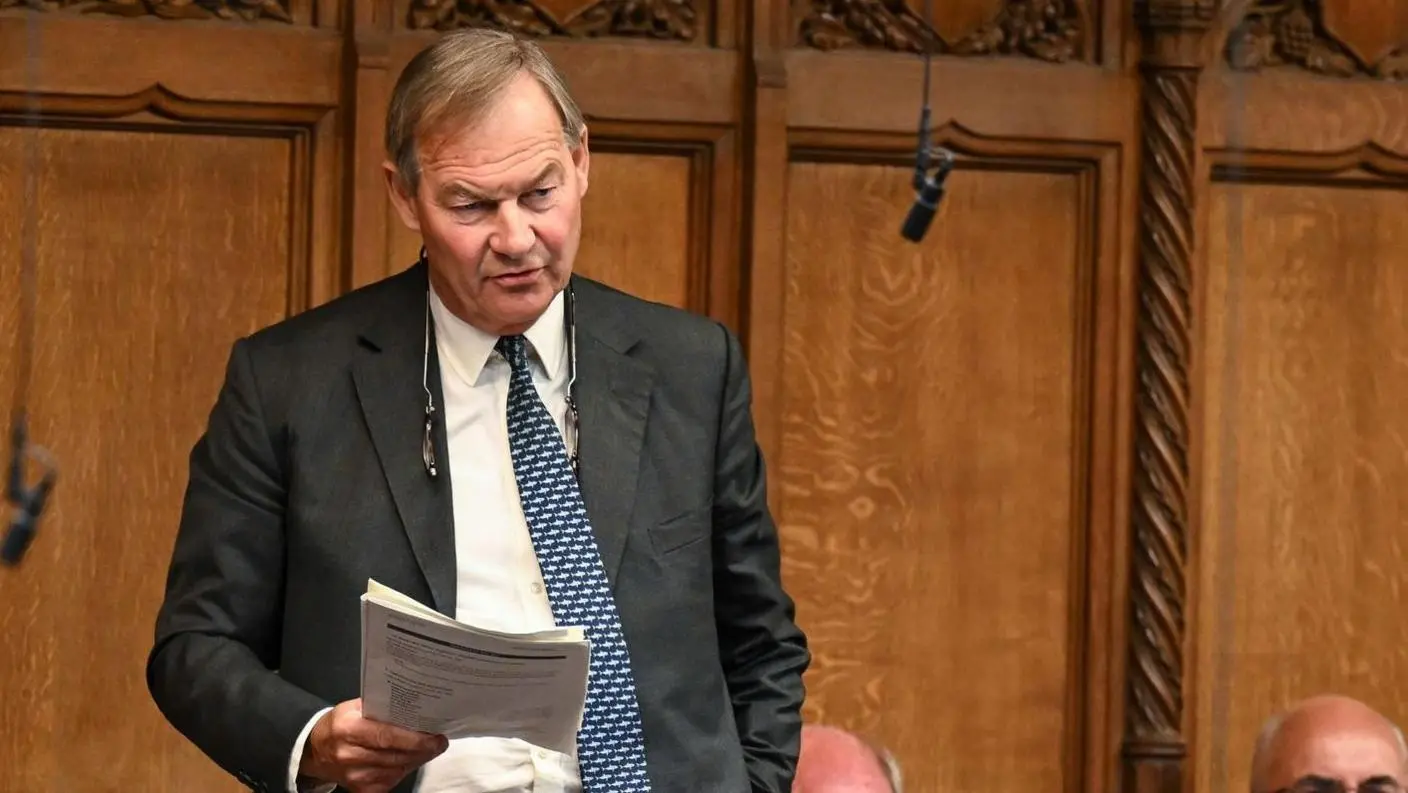
A fierce debate is unfolding across the United Kingdom as renewed calls to ban non-stun slaughter practices gain momentum. The issue, long considered sensitive, has returned to the political spotlight with increased urgency and public attention.
At the center of the controversy is Rupert Lowe, who has publicly endorsed efforts to immediately end slaughter methods that do not involve prior stunning, positioning himself firmly within a growing movement advocating stricter animal welfare laws.
Supporters of the proposal argue that mandatory stunning is essential to reduce animal suffering. They claim that modern scientific understanding and ethical standards require governments to update regulations to reflect greater compassion toward animals in agricultural practices.
Advocacy groups such as Restore Britain have played a significant role in pushing the issue forward. They are calling for comprehensive legislation that would enforce stunning requirements across all slaughterhouses without exception.
These organizations emphasize that the change is not about targeting specific communities, but rather about establishing uniform standards. They argue that a consistent legal framework would eliminate ambiguity and ensure that all animals are treated humanely.
However, the proposal has triggered strong opposition from religious communities, particularly those who follow Halal and Kosher dietary laws. For many, these practices are deeply rooted in faith and tradition, making the issue far more than a regulatory matter.
Critics warn that banning non-stun slaughter could be interpreted as an infringement on religious freedom. They argue that such a move risks marginalizing communities and undermining the multicultural values that define modern British society.
Legal experts have also weighed in, noting that any attempt to enforce a blanket ban could face significant challenges. Questions surrounding human rights protections and anti-discrimination laws are likely to complicate the legislative process.
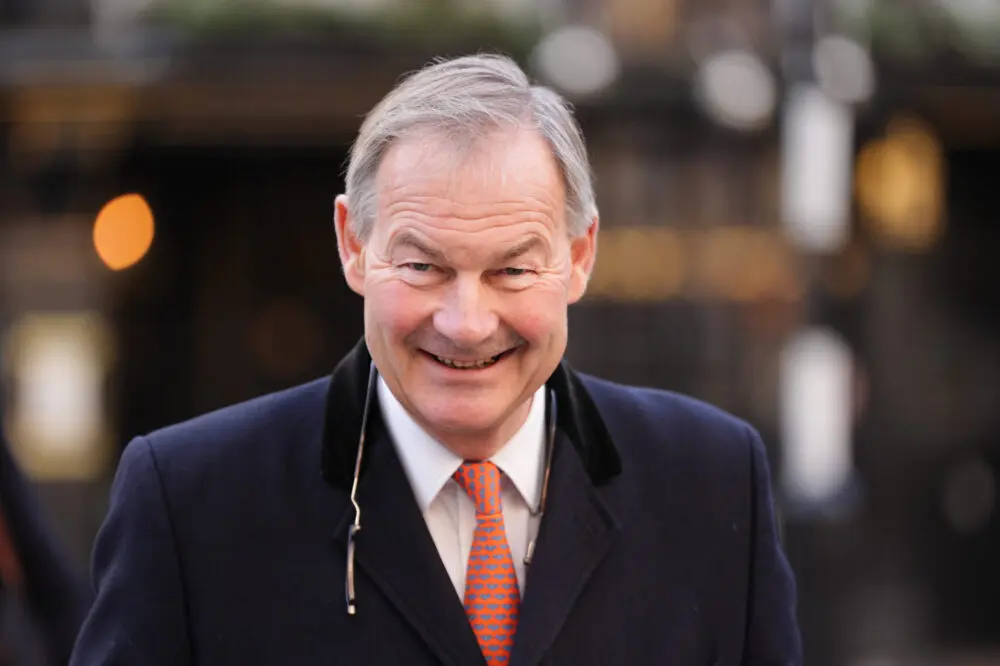
Within Parliament, the issue has resurfaced multiple times over the years without reaching a definitive resolution. Lawmakers remain divided, reflecting the broader societal split between animal welfare advocates and defenders of religious rights.
Public opinion appears equally polarized. While surveys suggest strong support for improved animal welfare standards, there is also considerable concern about preserving religious freedoms and avoiding policies perceived as exclusionary.
Media coverage has further intensified the debate, bringing the issue into households across the country. Television discussions, opinion columns, and online platforms have all contributed to shaping public perception and amplifying differing viewpoints.
For Rupert Lowe, the decision to speak out reflects a broader political strategy. By aligning with animal welfare concerns, he is tapping into an issue that resonates with a significant portion of the electorate.
At the same time, his stance places him at the center of a highly sensitive cultural debate. Navigating this space requires balancing political messaging with awareness of the potential social consequences of such proposals.
Some policymakers are exploring possible compromises, such as stricter regulation rather than an outright ban. These approaches aim to address welfare concerns while allowing certain religious practices to continue under specific conditions.
Others argue that compromise may not be sufficient, insisting that ethical considerations should take precedence. They believe that partial measures would fail to address the core issue of animal suffering.
The debate also highlights broader questions about how societies adapt traditions in the face of changing values. As scientific knowledge and ethical perspectives evolve, longstanding practices are increasingly being reexamined.
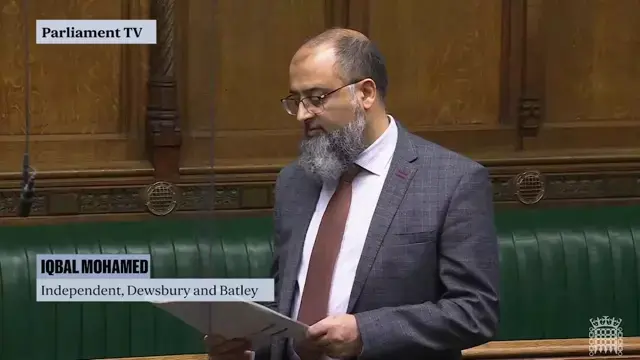
For religious communities, the discussion is deeply personal. Many view the proposed changes as a challenge to their identity and way of life, leading to heightened emotions and strong responses.
Meanwhile, animal welfare organizations continue to campaign vigorously, using data and public awareness campaigns to strengthen their position. Their efforts have been instrumental in keeping the issue in the public eye.
As discussions continue, the role of government becomes increasingly complex. Policymakers must weigh competing priorities, including ethical standards, legal obligations, and social cohesion.
The outcome of this debate remains uncertain. While momentum appears to be building, significant obstacles remain before any major legislative change can be implemented.
What is clear, however, is that the issue has reignited a national conversation about values, rights, and responsibilities. It has forced both politicians and citizens to confront difficult questions with no easy answers.
In the end, whether the proposal advances or stalls, the debate itself reflects a society grappling with how to reconcile tradition with modern expectations in an increasingly diverse and evolving world.