A Quiet Act of Compassion: Keir Starmer’s Major Donation to Homeless Veterans Sparks a Wave of Hope
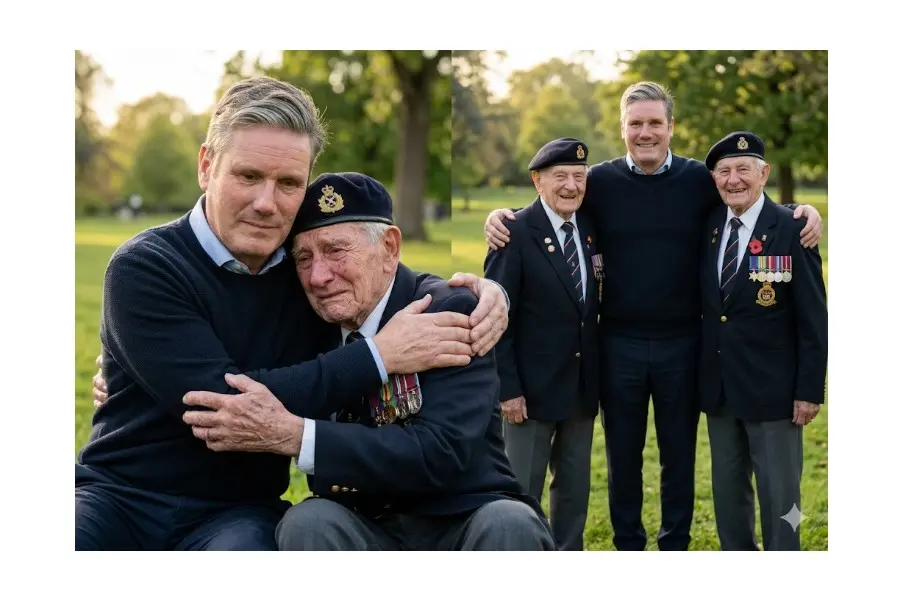
In an era where political headlines are often dominated by division, debate, and controversy, a quieter story has begun to resonate deeply with the public. Keir Starmer, the Prime Minister of the United Kingdom, has reportedly made a significant private donation aimed at supporting homeless veterans—an act that has since captured the attention and admiration of many across the country.
What makes this gesture particularly striking is not only its scale, but also its discretion. According to sources close to charitable organizations working with former service members, the contribution was made without fanfare, press conferences, or political messaging. Instead, it emerged gradually through those directly involved in veteran support networks, who described the donation as both “transformational” and “deeply personal.”
A Hidden Crisis in Plain Sight
The issue of veteran homelessness in the United Kingdom has long been a sensitive and complex topic. While official statistics vary, advocacy groups consistently point to the challenges faced by former soldiers transitioning back into civilian life. Many struggle with mental health conditions such as PTSD, difficulties finding stable employment, and a lack of accessible housing.
Organizations across the UK have worked tirelessly to address these issues, yet funding gaps and rising living costs continue to place pressure on already stretched services. Against this backdrop, the reported donation from Keir Starmer is being viewed as a timely and meaningful intervention.
A representative from a London-based veteran charity noted that the funds would be used not just for temporary shelter, but for long-term solutions—building housing, expanding counseling services, and creating employment pathways. “This isn’t just about giving people a place to sleep,” the representative explained. “It’s about giving them a future.”
The Power of Quiet Leadership
In political life, visibility is often everything. Public gestures, announcements, and carefully crafted messages are part of the daily routine. That is why this particular act stands out. By choosing not to immediately publicize the donation, Keir Starmer has, intentionally or not, shifted the focus away from political gain and toward the impact itself.
Analysts suggest that such actions can carry a different kind of weight. When support is offered quietly, it can be perceived as more genuine, less performative. In a time when public trust in institutions can be fragile, gestures like this may help rebuild a sense of connection between leadership and everyday realities.
However, the story’s eventual emergence has sparked discussion about whether such contributions should remain private or be highlighted to encourage broader participation. Some argue that publicizing donations from prominent figures can inspire others to contribute, creating a ripple effect of generosity.
Public Reaction: Respect, Surprise, and Debate
As news of the donation spread, reactions across social media and public forums were swift and varied. Many expressed admiration for Keir Starmer, praising the decision to support a vulnerable group without seeking immediate recognition.
“This is the kind of leadership people want to see,” one user wrote. “Not just words, but action.”
Others, while acknowledging the positive impact, raised broader questions about systemic responsibility. They pointed out that while individual acts of generosity are commendable, long-term solutions require sustained policy efforts and government investment.
This dual reaction reflects a deeper conversation about the role of personal philanthropy in public office. Can private acts complement public policy? Should they? And where is the line between personal compassion and institutional duty?
Voices from the Veteran Community
Perhaps the most important perspectives come from those directly affected. For many veterans facing homelessness, the donation represents more than financial support—it is a signal that their struggles are being recognized.
One former soldier, now residing in transitional housing, described the news as “a moment of hope.” He spoke about the difficulties of adjusting to life after service, the sense of isolation, and the challenges of rebuilding stability. “Knowing that someone in that position cares enough to act—it means something,” he said.
Charities have also emphasized that beyond immediate relief, the funding could help address underlying issues. Access to mental health services, job training, and community integration programs are all areas where additional resources can make a lasting difference.
A Broader Impact
While the exact amount of the donation has not been officially confirmed, its symbolic value is already clear. It has reignited attention on veteran homelessness, encouraged public discussion, and highlighted the importance of both individual and collective action.
There are also indications that other public figures and private donors may follow suit. Several organizations have reported increased inquiries about how to contribute, suggesting that the story may indeed be creating a wider wave of support.
Conclusion
In a world often dominated by loud headlines and rapid news cycles, this story stands out for its quiet power. Keir Starmer’s reported donation to homeless veterans is not just about money—it is about recognition, dignity, and the possibility of change.
Whether viewed as a personal gesture, a form of leadership, or a catalyst for broader action, it has already made an impact. And perhaps most importantly, it serves as a reminder that even in the highest positions of power, compassion can still find a way to speak—sometimes not through words, but through meaningful action.